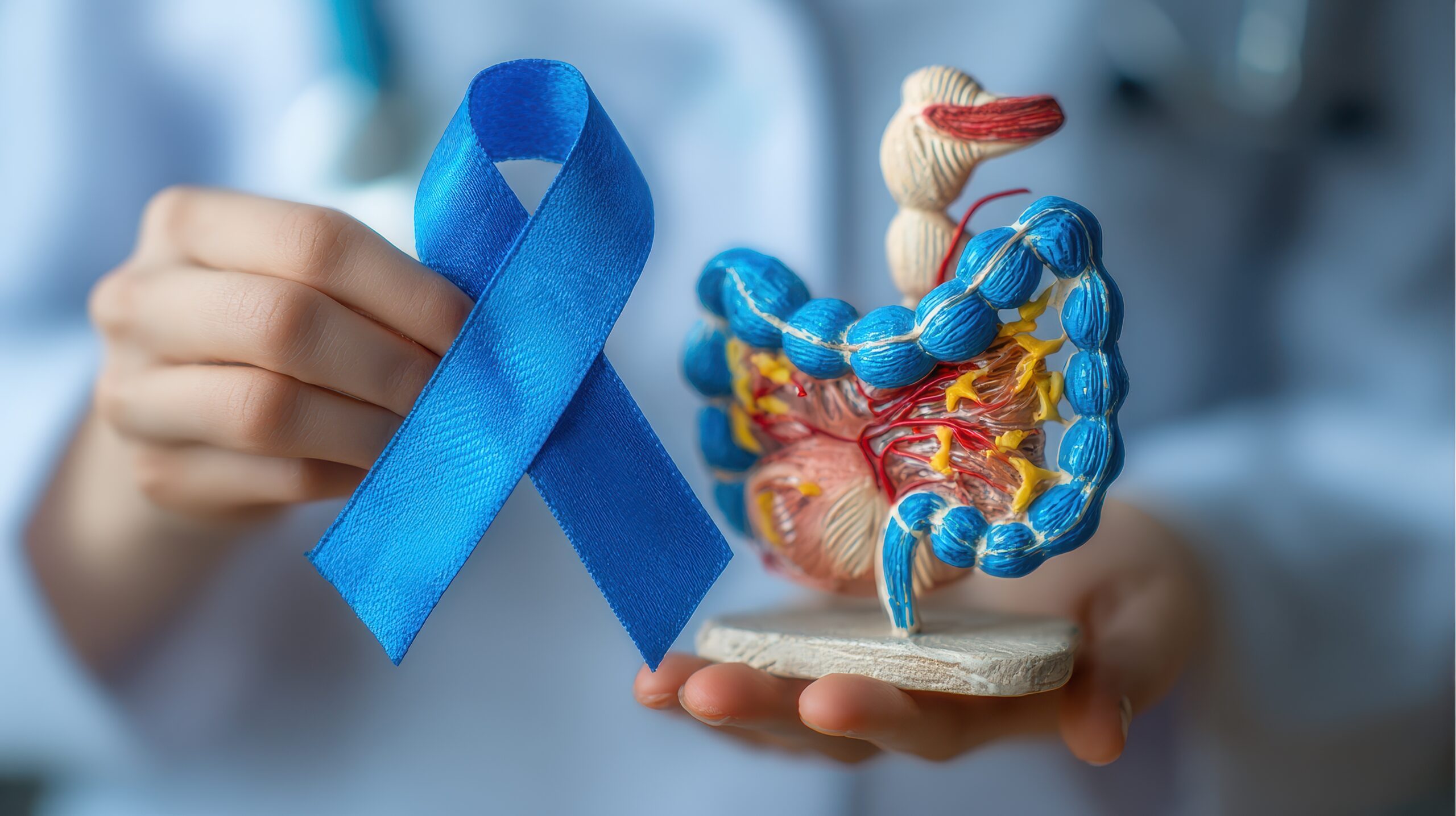
Early detection can account for up to 52% of saved lives. Colorectal cancer affects the colon (large intestine) and rectum, which are the final parts of the digestive tract.
This type of cancer often begins as small growths called polyps that develop on the inner lining of the colon or rectum. Over time, some polyps can become cancerous if they are not detected and removed.
One of the biggest challenges with colorectal cancer is that it often develops without noticeable symptoms in its early stages, which is why screening is so important. Screening tests allow healthcare providers to identify and remove polyps before they develop into cancer. When colorectal cancer is detected early, treatment is often more effective, and survival rates are significantly higher.
Major Risk Factors
Several lifestyle factors can increase the risk of colorectal cancer. Many of these risks are preventable or can be reduced through healthy lifestyle choices.
Diets low in fiber and high in processed foods
Diets high in processed meats and fried foods—such as sausage, hot dogs, and heavily processed snacks—may increase the risk of colorectal cancer. Eating more fiber-rich foods like fruits, vegetables, and whole grains supports digestive health.
Physical inactivity and obesity
Lack of physical activity and excess body weight can increase inflammation and disrupt normal digestion, both of which may contribute to cancer development.
Smoking
Smoking damages DNA and increases the risk of colorectal polyps, which are precancerous growths in the colon or rectum.
Heavy alcohol use
Consuming more than 14 alcoholic drinks (per week) has been linked to a higher risk of colorectal cancer.
Taking proactive steps toward prevention—including regular screenings—can make a meaningful difference in long-term health. To learn more about colorectal cancer screening and prevention, please review the GRHC Patient Newsletter for additional information and guidance.